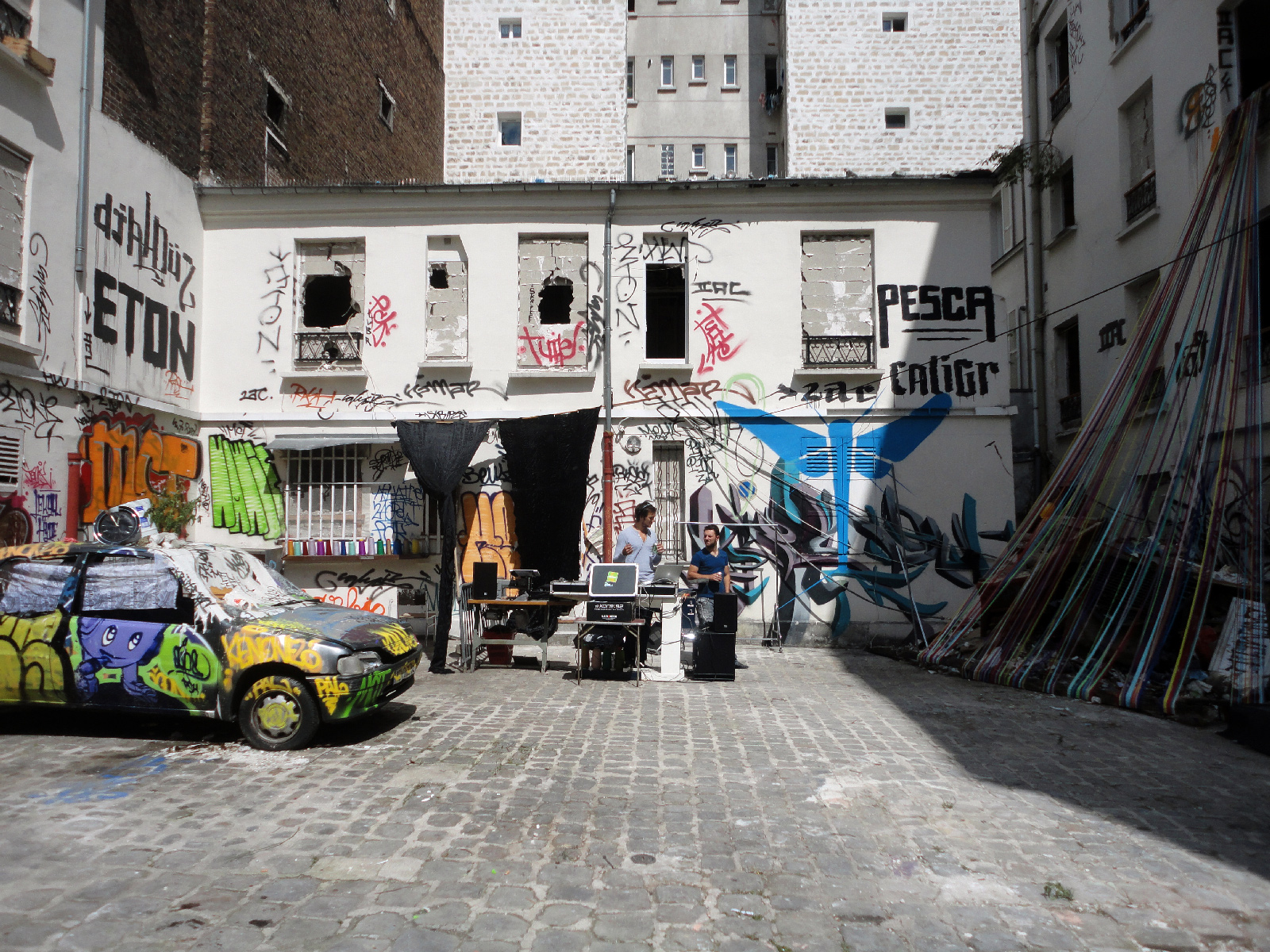
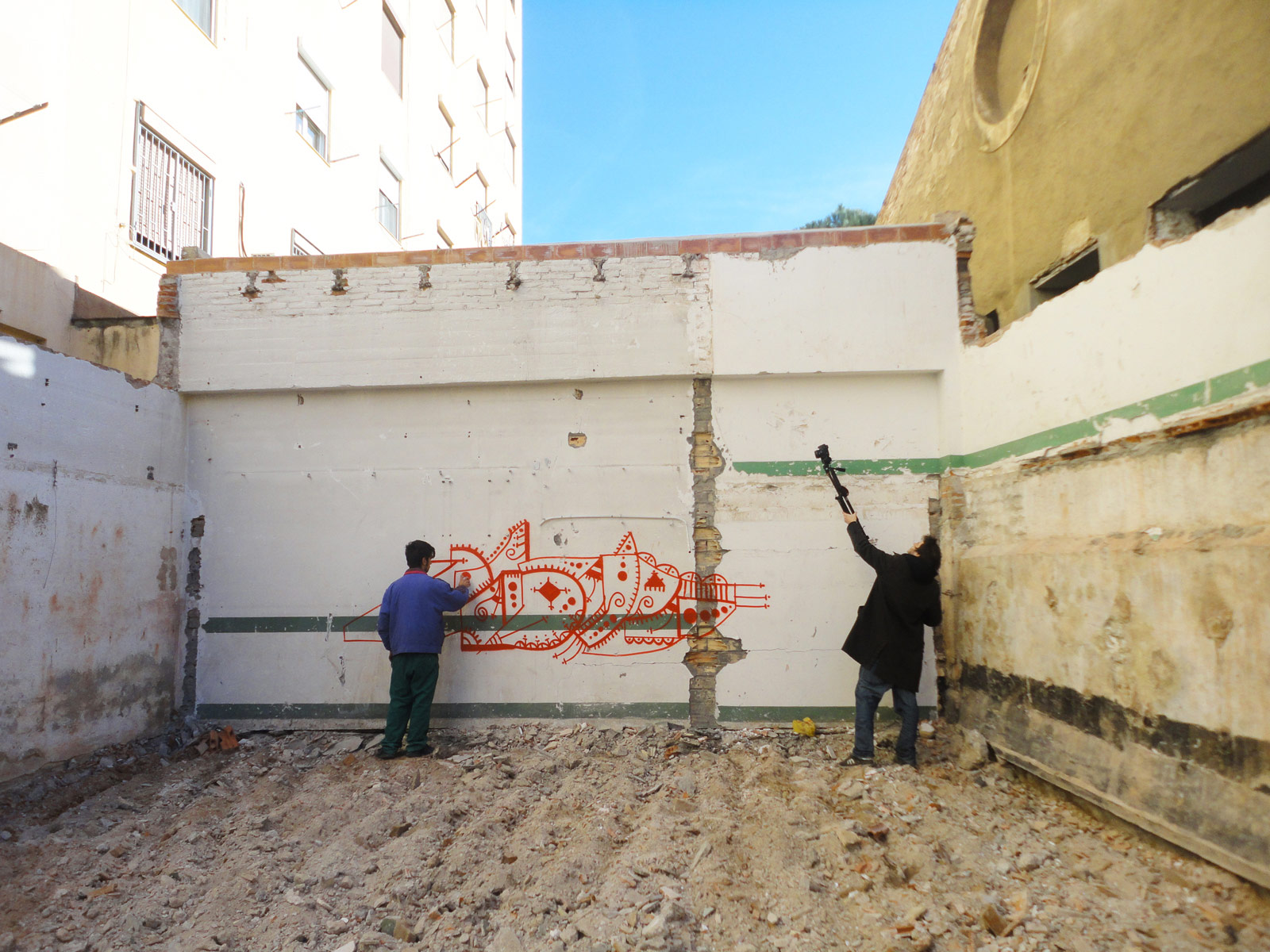
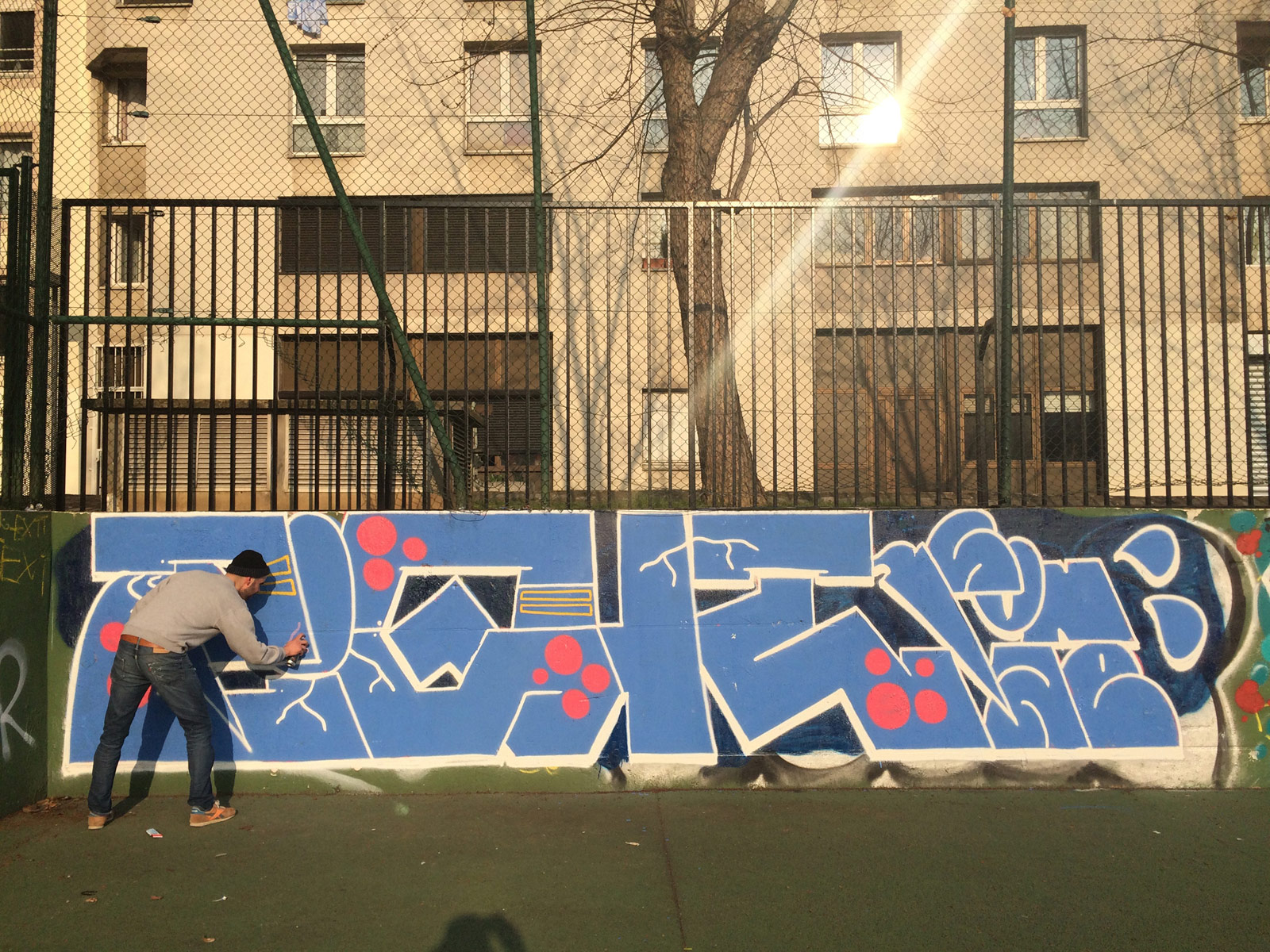
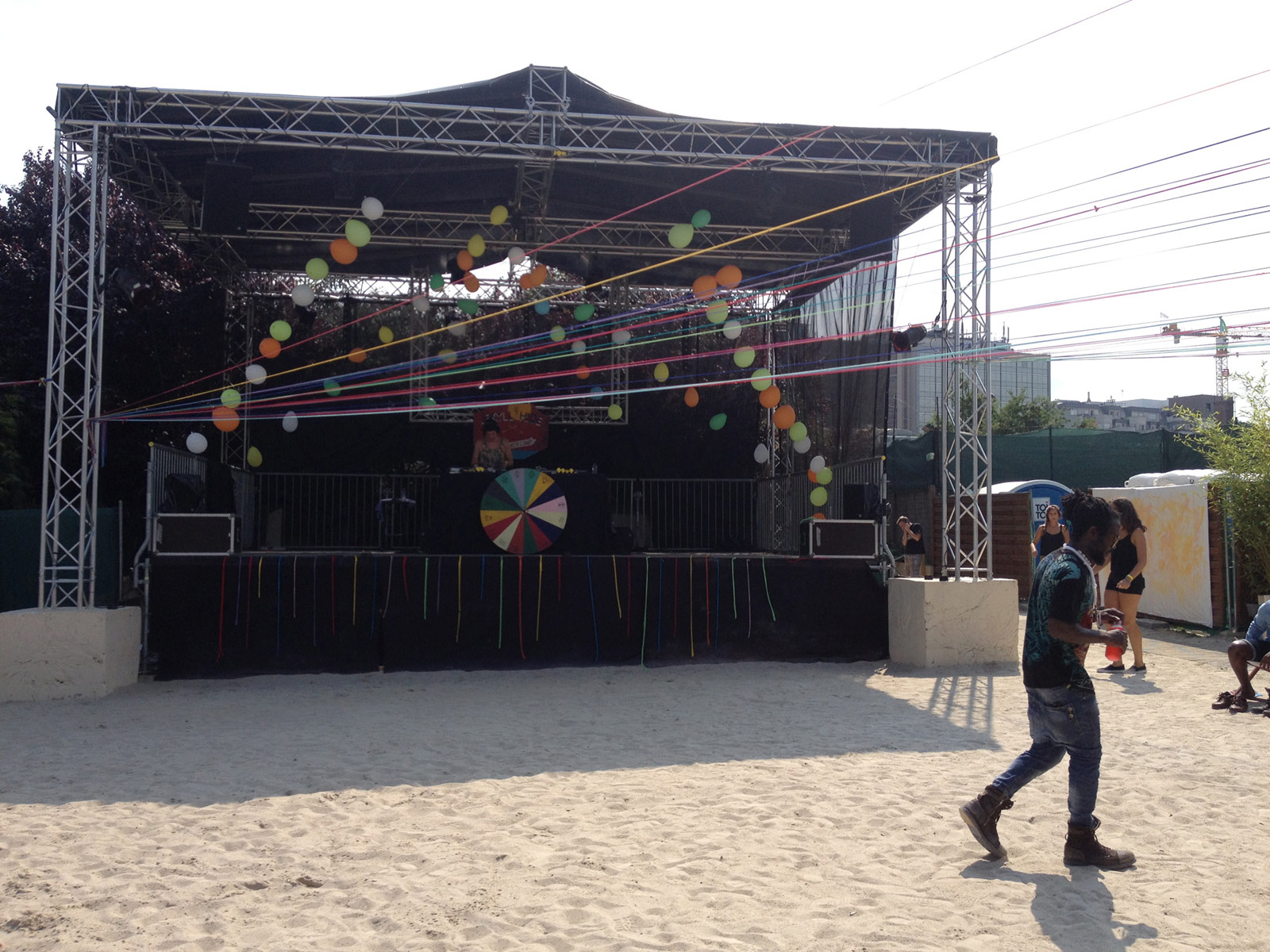
Street artists, street art, graffiti, collage, tags, engraving… Thoses words, before underground and marginals, are today even more difficult to qualify. Once commercial or « arty », once politicaly engaged, opinions differ but the prices are still growing up. And street seems to be more and more present into people mind as a common exposition place, faddish, but accessible to everybody. However isn’t art present in the street since ages ?
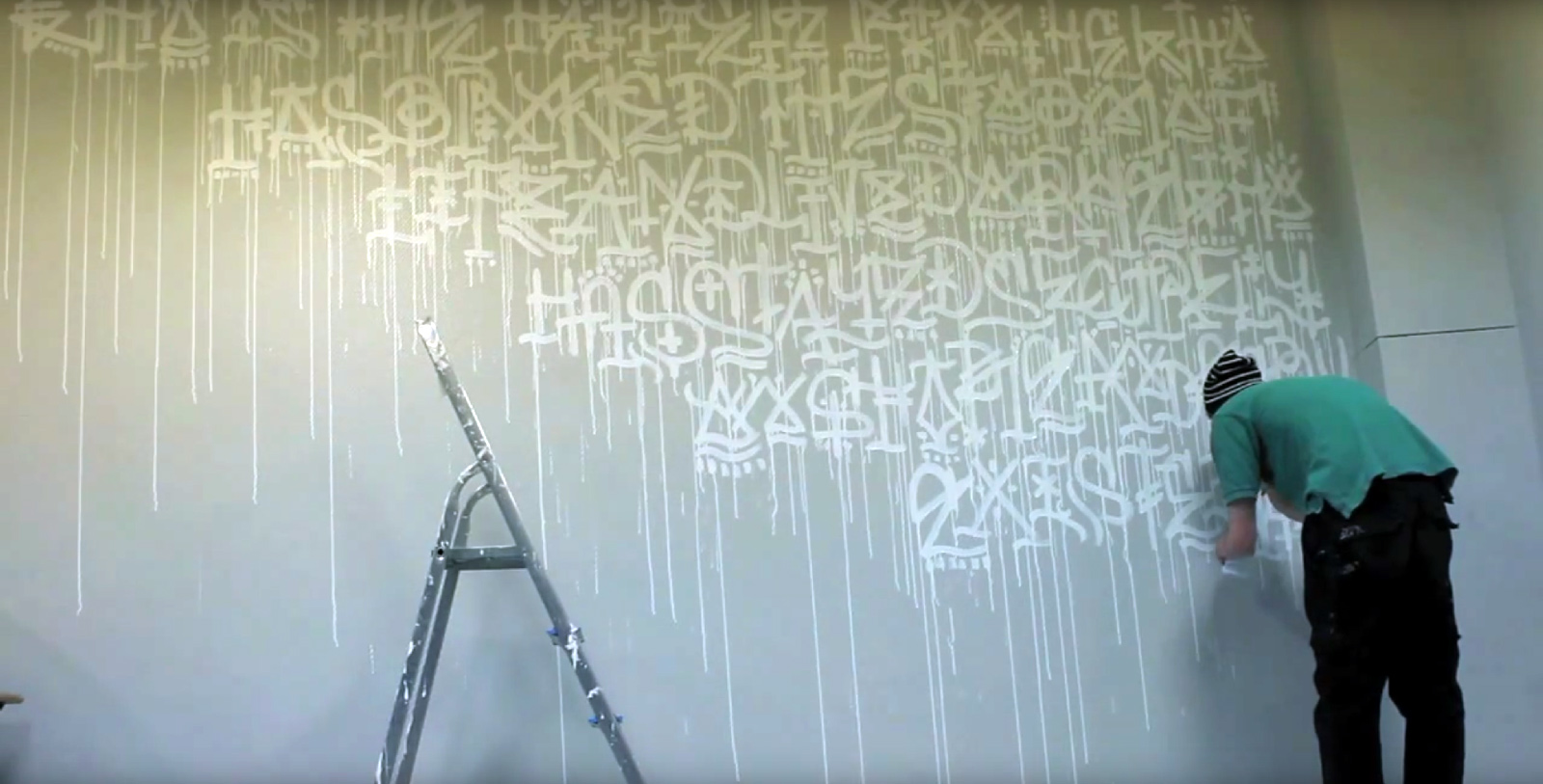
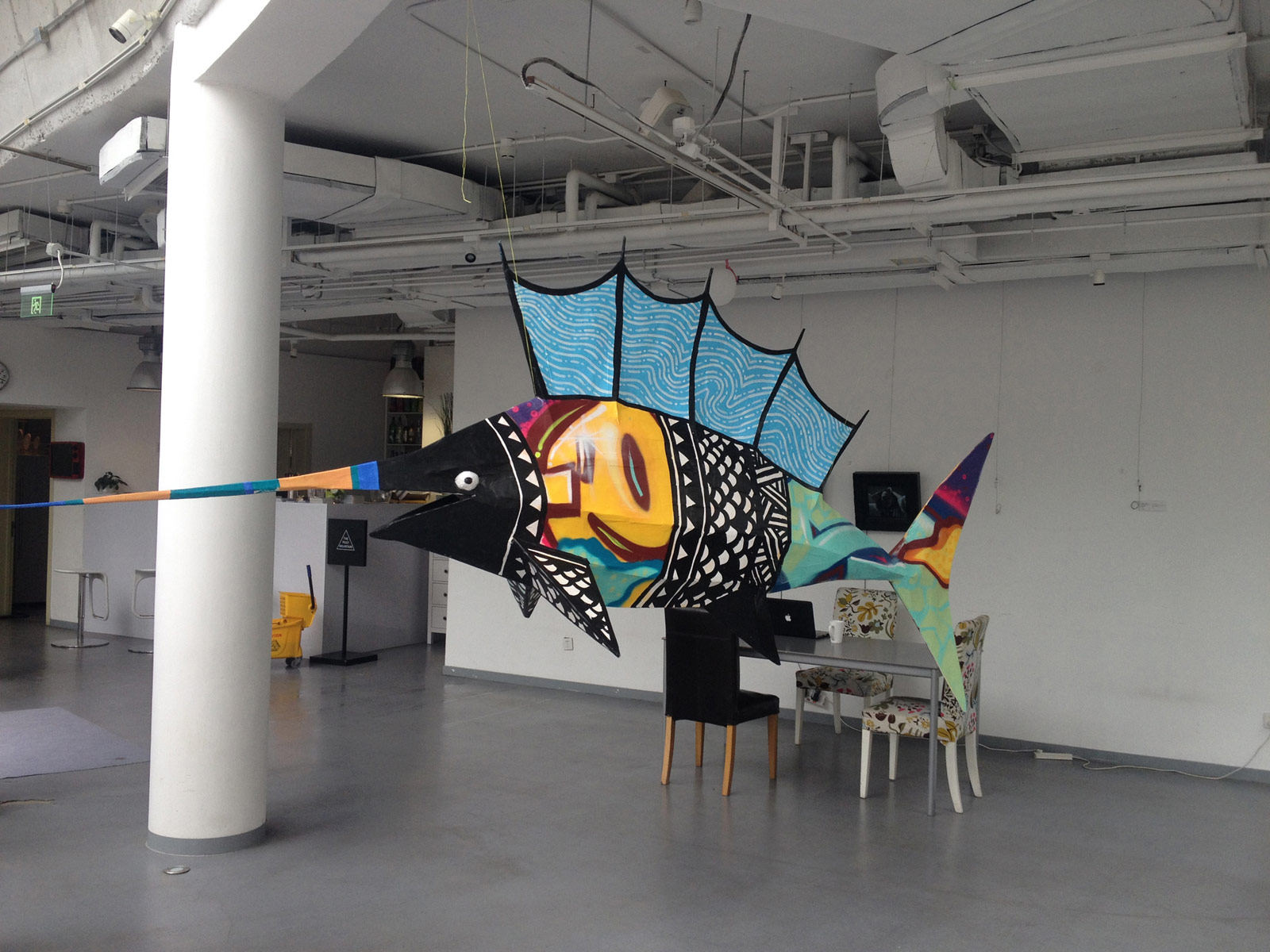
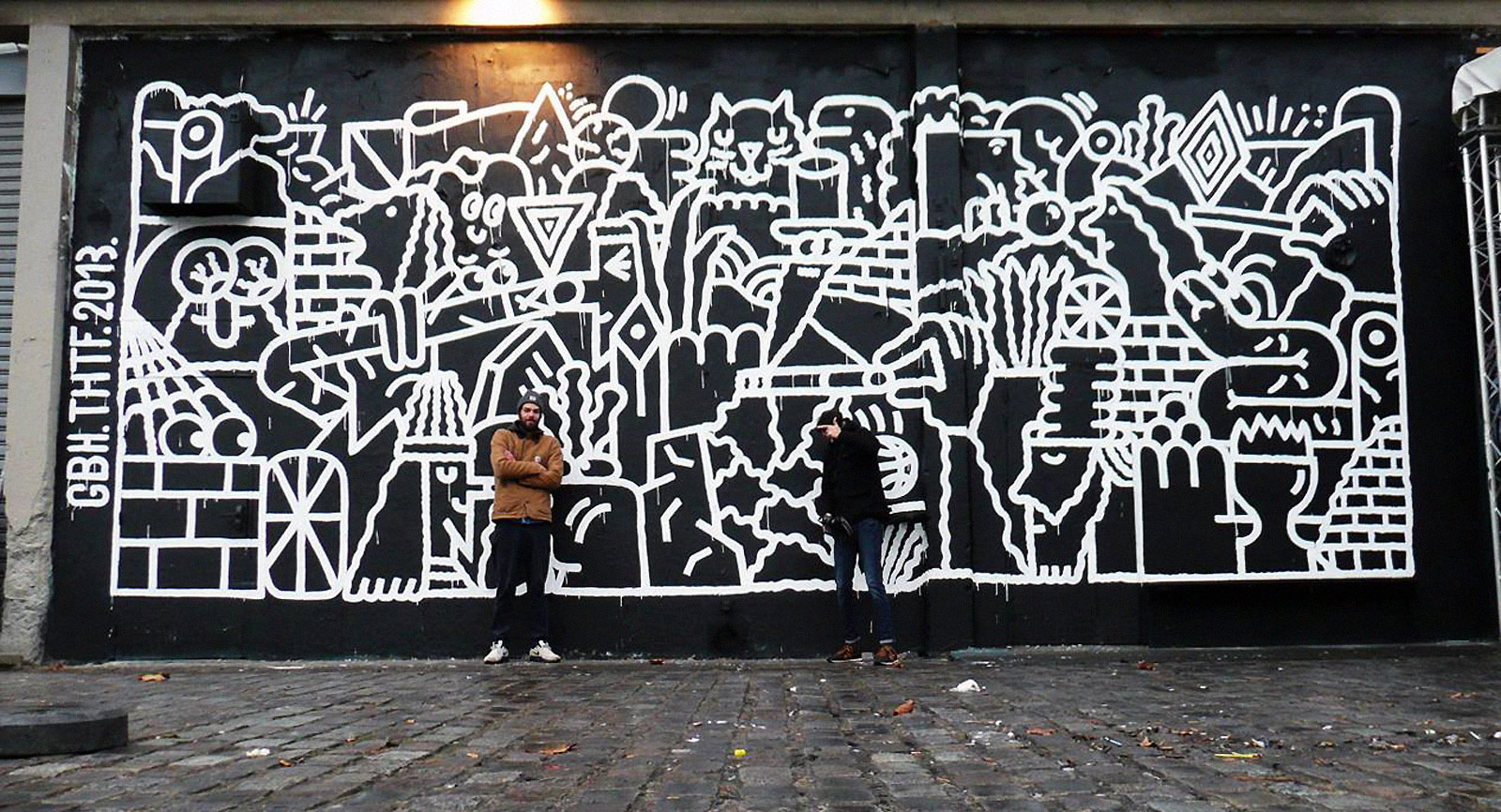
Stefan Eck knows that perfectly, and even he grinded his style over some walls in the north of France, it is throught the ancestral art of parades, creating large metallic structures and performing it in the streets, that he build a strong style and vision. From Osaka to New York, he developed a strong and florishing universe, evolutive, colorfull and inspired in a direct relationship with his public,
Encounter.
Hi Stefan, let’s begin with the classic question, what hour is it in Toronto ?
It’s almost midnight here… For a few years now I’ve been a graphic designer by day and illustrative painter by night. I find my imagination comes alive in the wee hours of the morning.
All right, so can you quickly tell us about your career ?
I originally began studying at the University of Art and Design, however, the curriculum was less than engaging and as a result I spent less time studying and more time with brushes, paints and a drum kit. I began building metallic structures for parades when I was 16 and released my first float design and blueprint at the age of 18.
When I was 20, I began taking freelance illustration and graphic design projects, but I quickly realize that the driving force behind my existence was in parades and carnivals. I then decided to move to Japan and began working for the City of Osaka designing, consulting and art directing parades. My work was intensive and diverse and I not only designed the floats but also co-ordinated the parades.
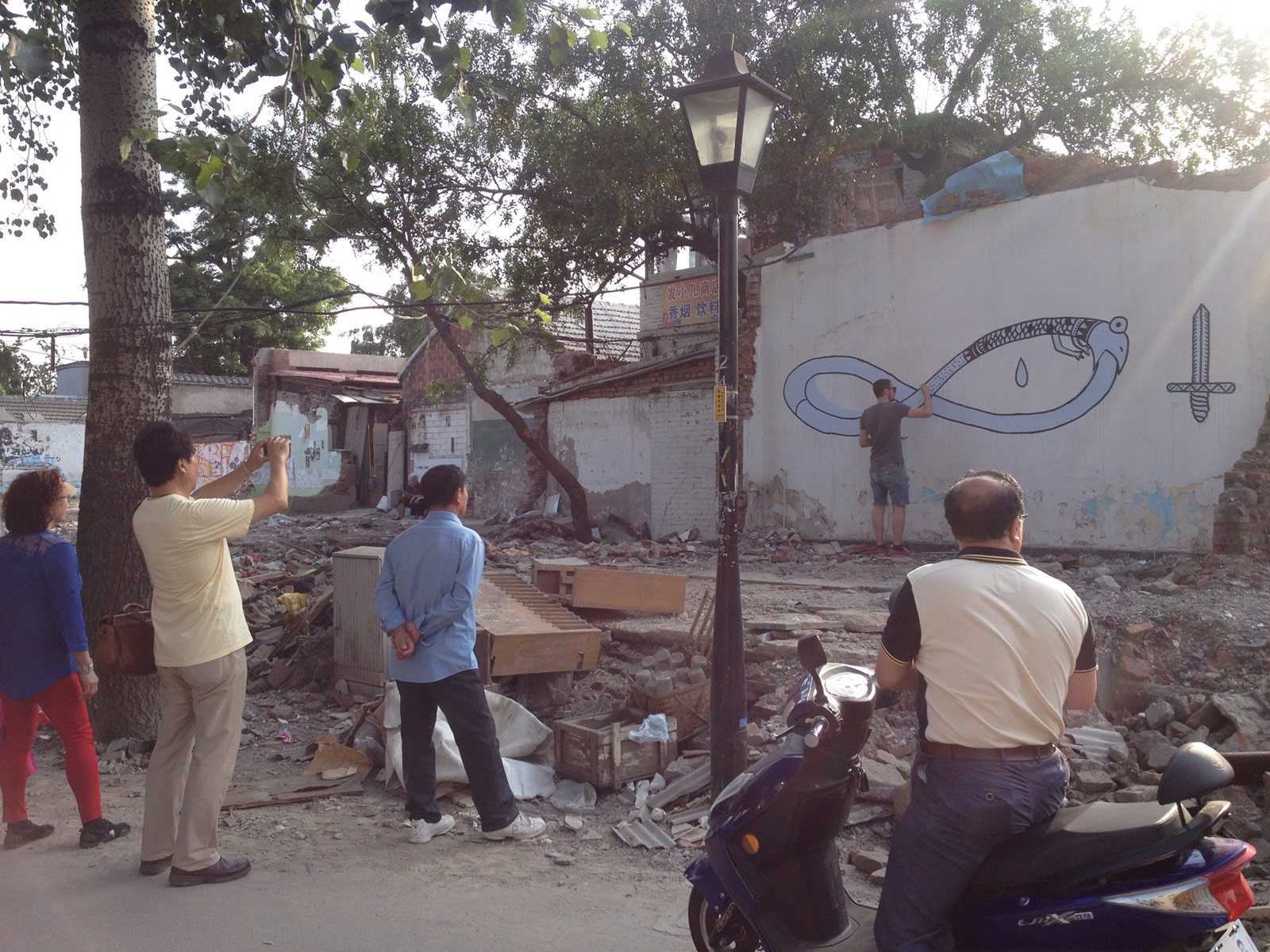
It was in Japan that I caught the travel bug and since then I began moving countries every year. I currently reside in Toronto, Canada but in March will be relocating to Tokyo via Bejing for an artist residence program until mid-year.

When we look closer to your creations, we are immediatly surprised by their diversity… (both in style and technics). However, have you got a recurring theme, or a special connection between your drawings ?
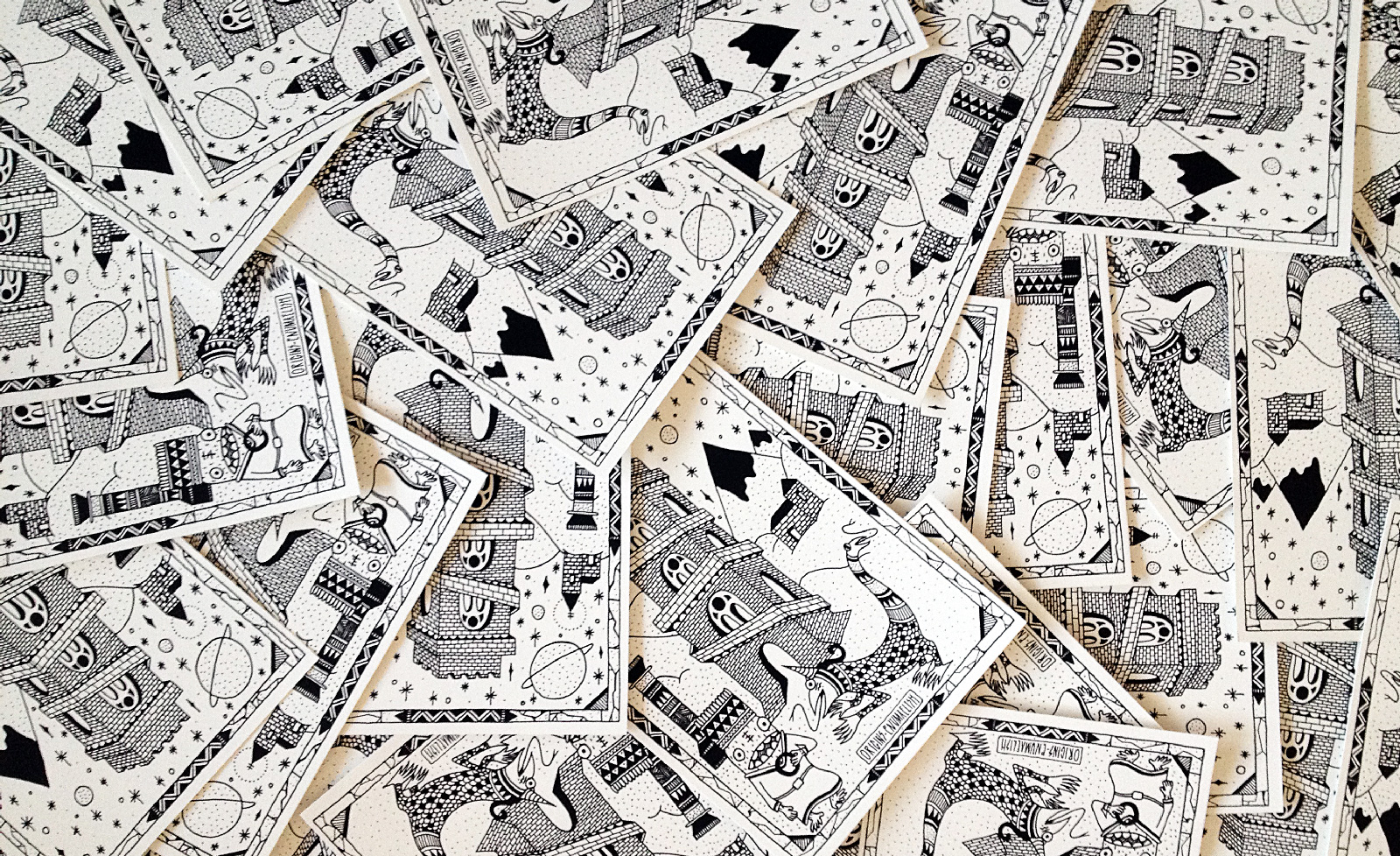
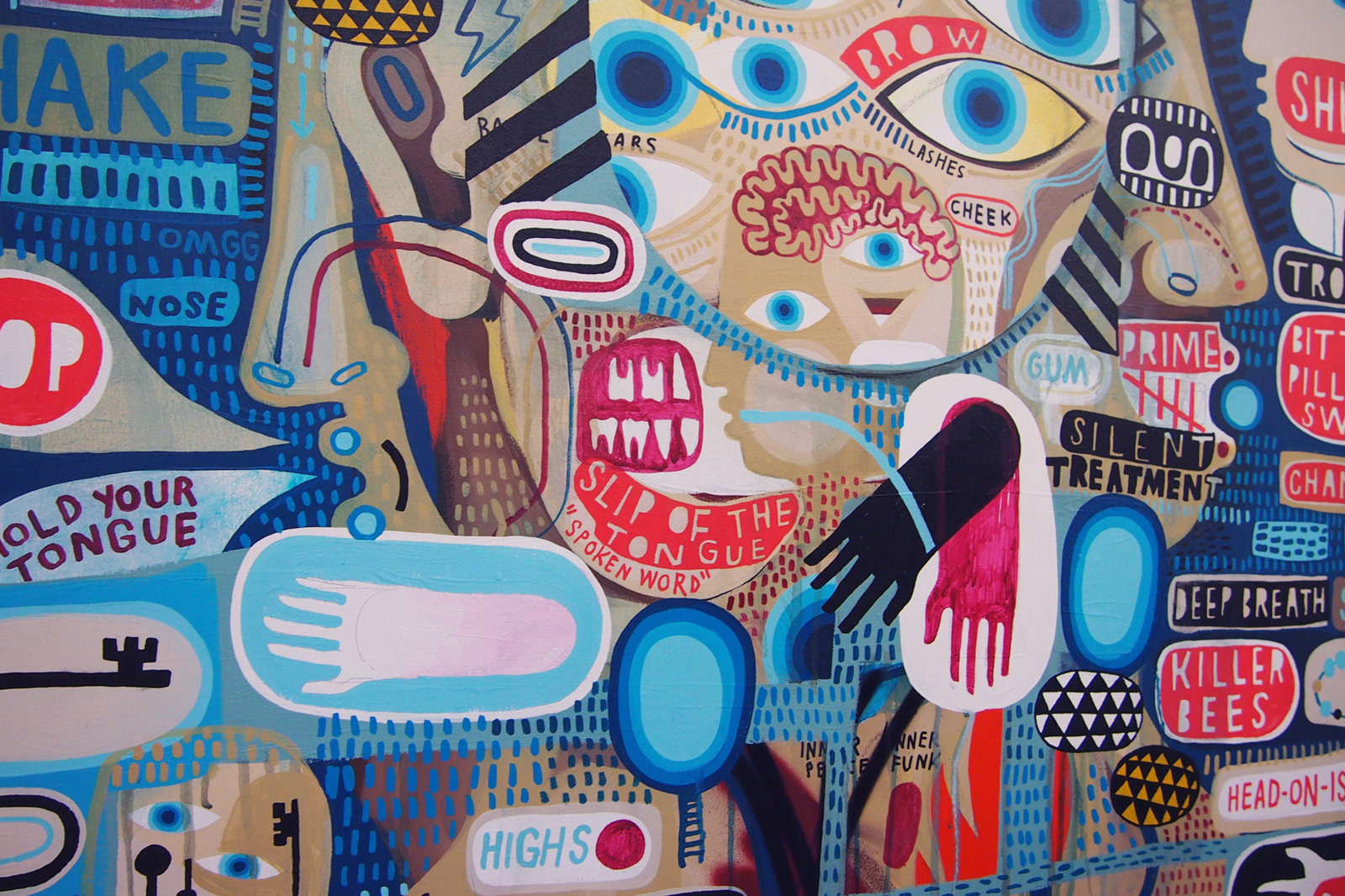
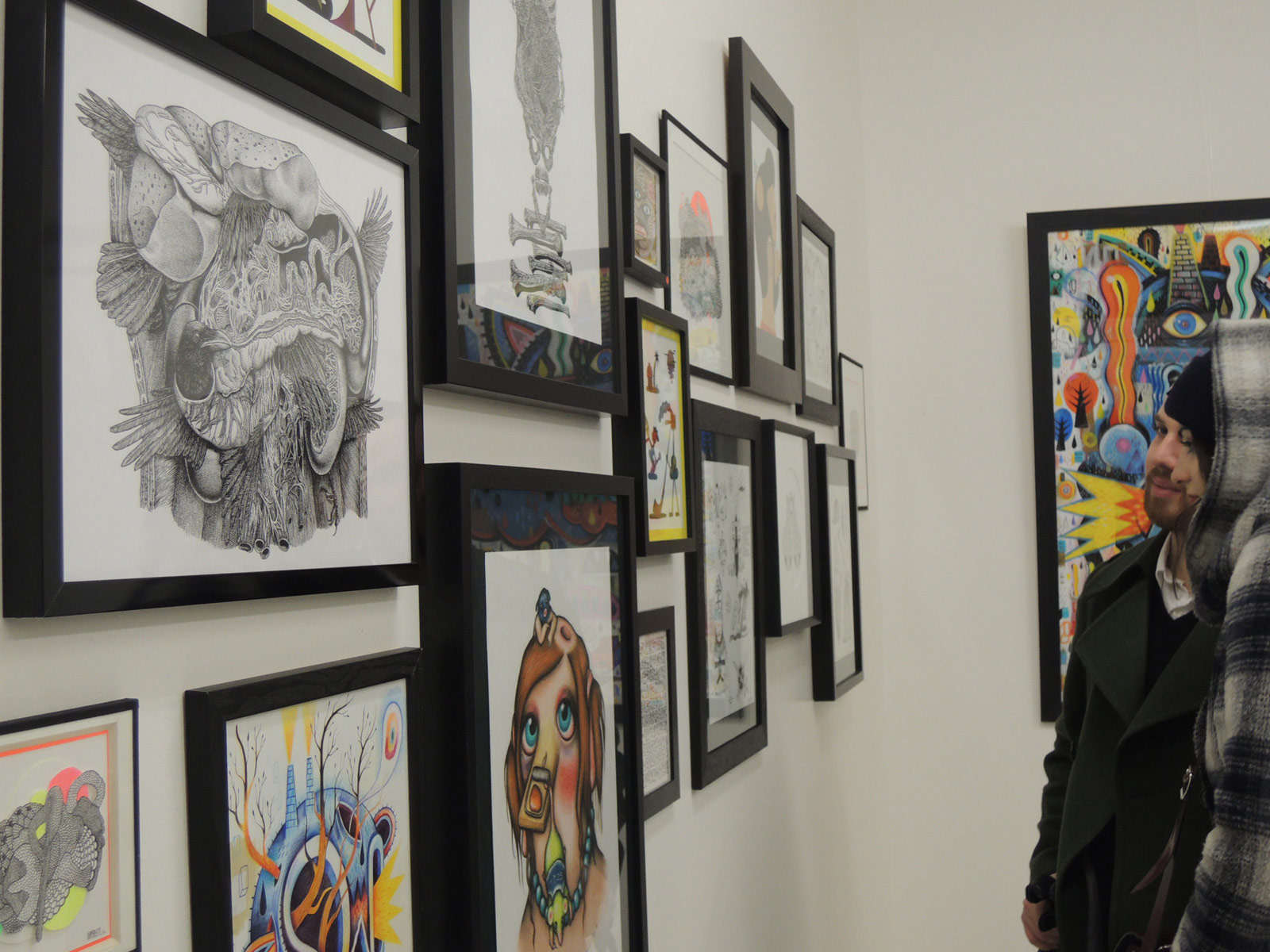
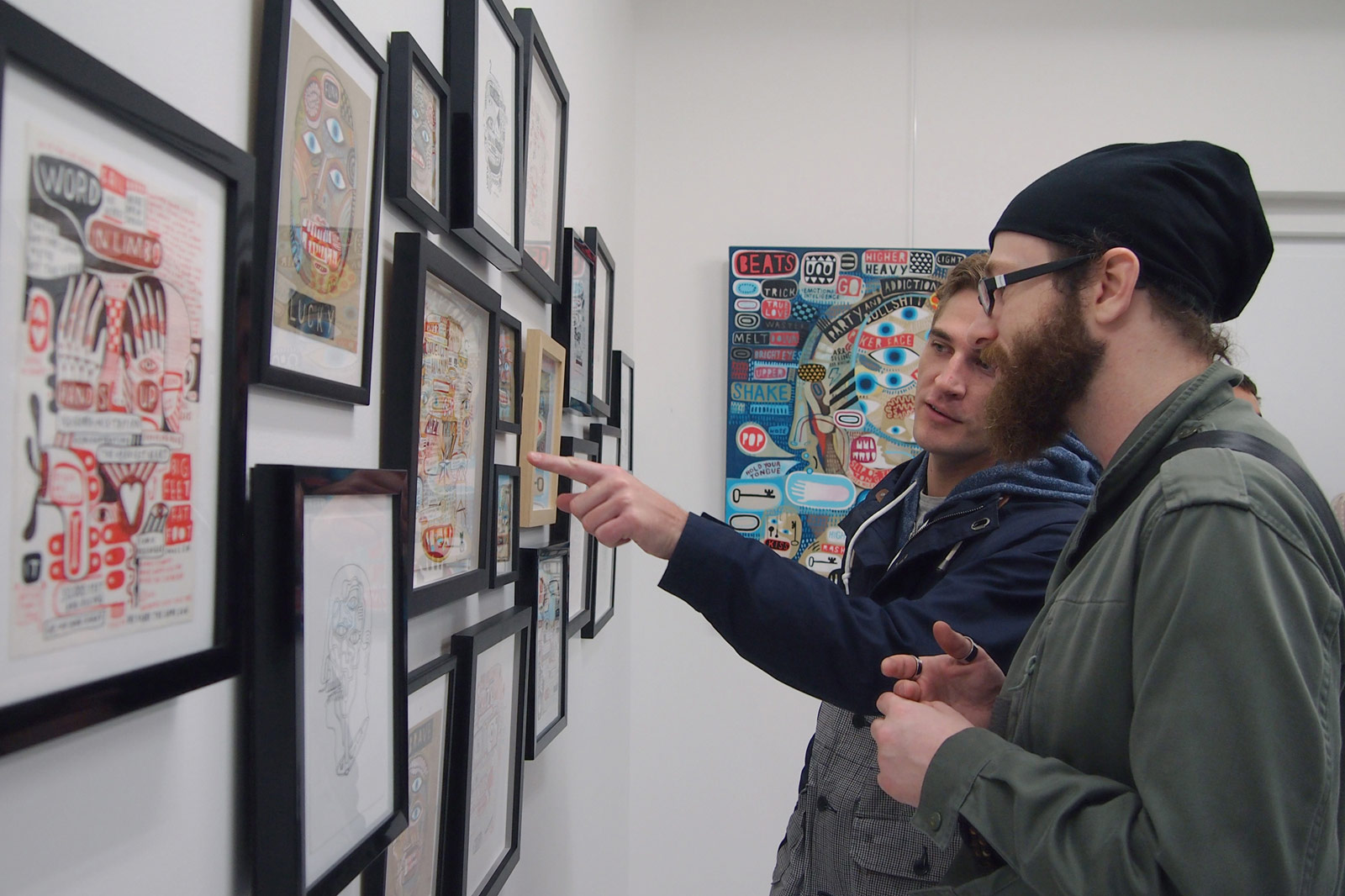
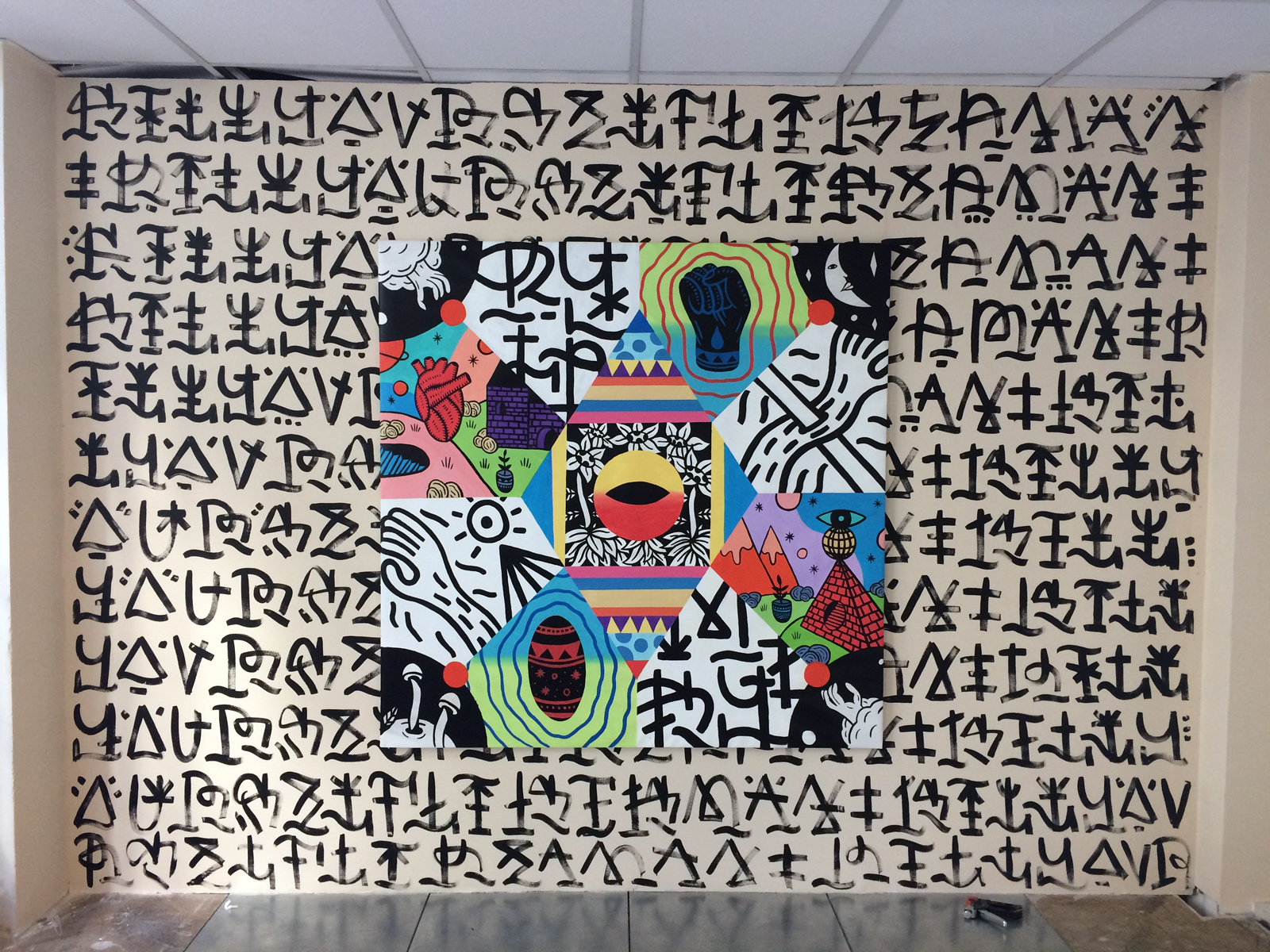
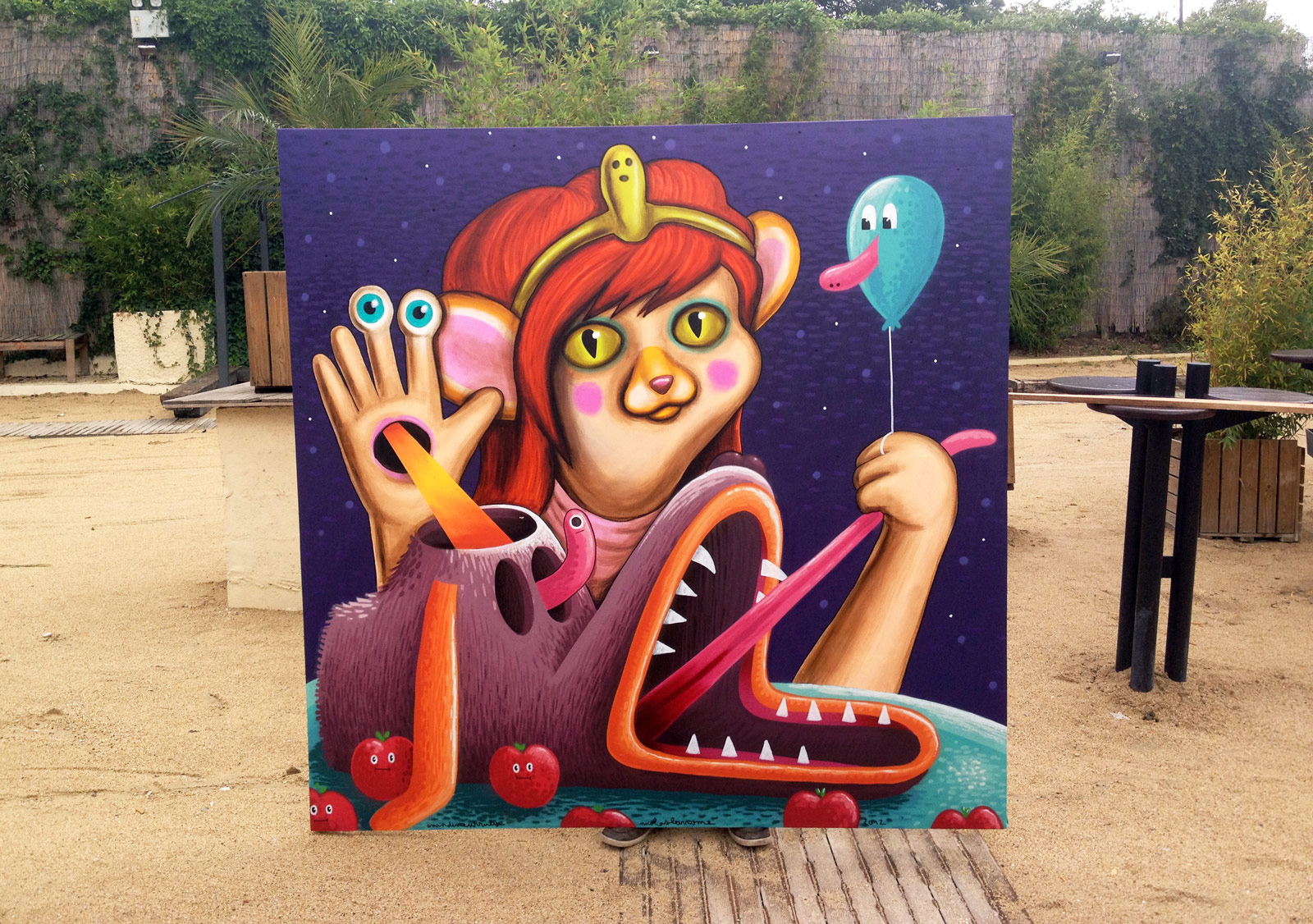
There tends to be one river running through all the pieces of art I produce and that is the notion of the grotesque. Many of the elements are inspired from my admiration of native ‘masks’ from around the world. I appreciate the diversity, culture and rich heritage that masks contain. I also believe the diversity of my work comes from all the different places around the world that I’ve lived.
How long did you spend on a creation ? Have you got a particular process ?
It really depends on the method of working that I employ for each piece. Recently I’ve been working on smaller format pieces, and for each ones it takes me between 8 to 10 hours.
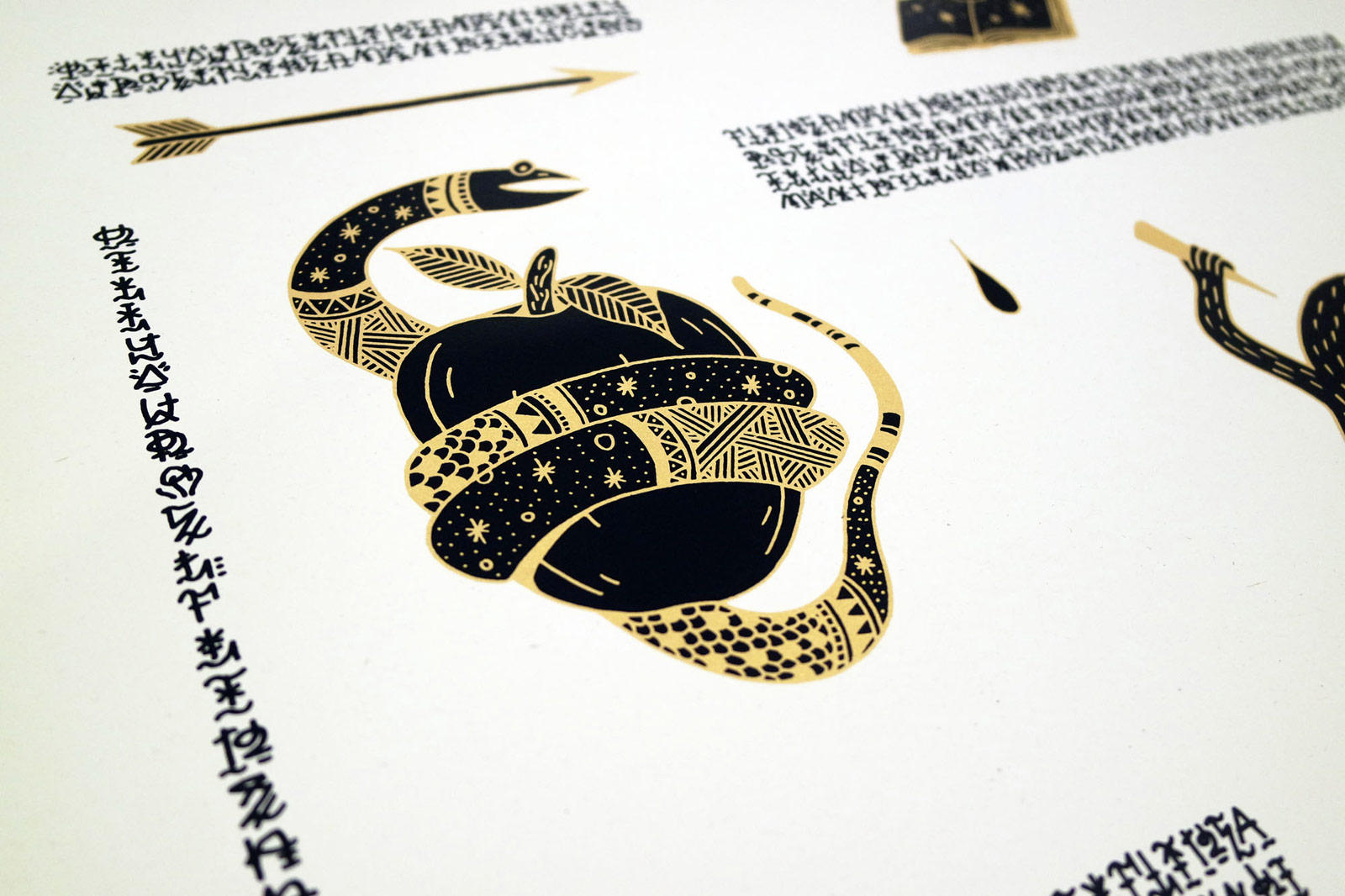
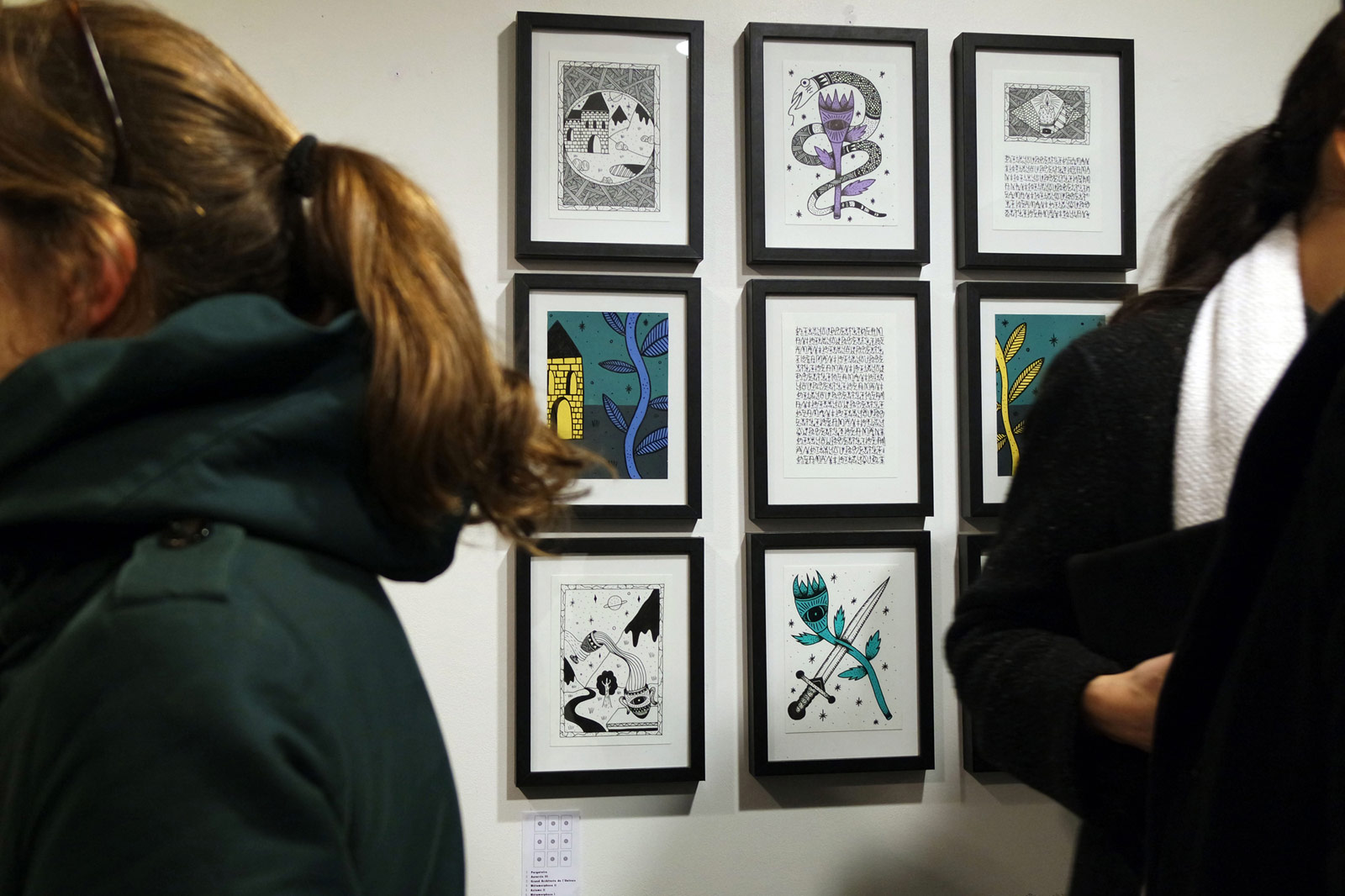
The process usually starts with a graphite pencil sketch and then I begin the digital phase. I take my artwork and begin manipulating the elements by printing them on paper and arranging, rearranging and carefully placing each object.
Everything comes together, the hand drawn, the digital, the ink, acrylic and pencil.
However, digital realm is only an extension of my thoughts and I don’t allow it to come between me and my first love – painting and drawing.
What is the work method which you like the most ?
Over the years I really only worked with traditional illustration such as, sketching, acrylic and ink. I introduced the use of a computer into my method as a way to combine all my different ways of doing things.
It gave me the ability to push my creations further, to experiment in ways I could not have done before. My initial battle was the legitimacy of my artistic creations – how could using a computer still be considered artistic? For me, the integrity lies in the creative process not the output.

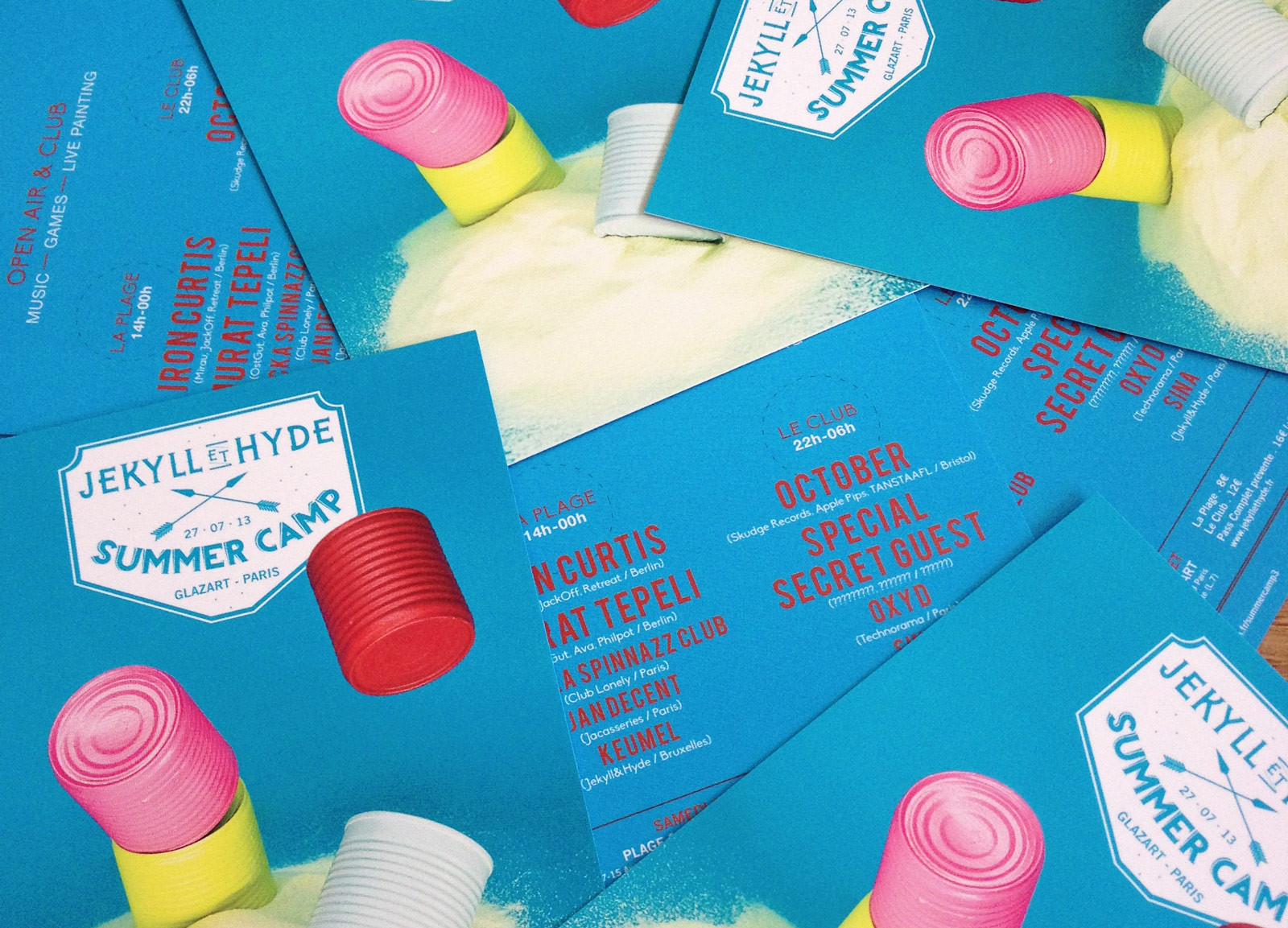
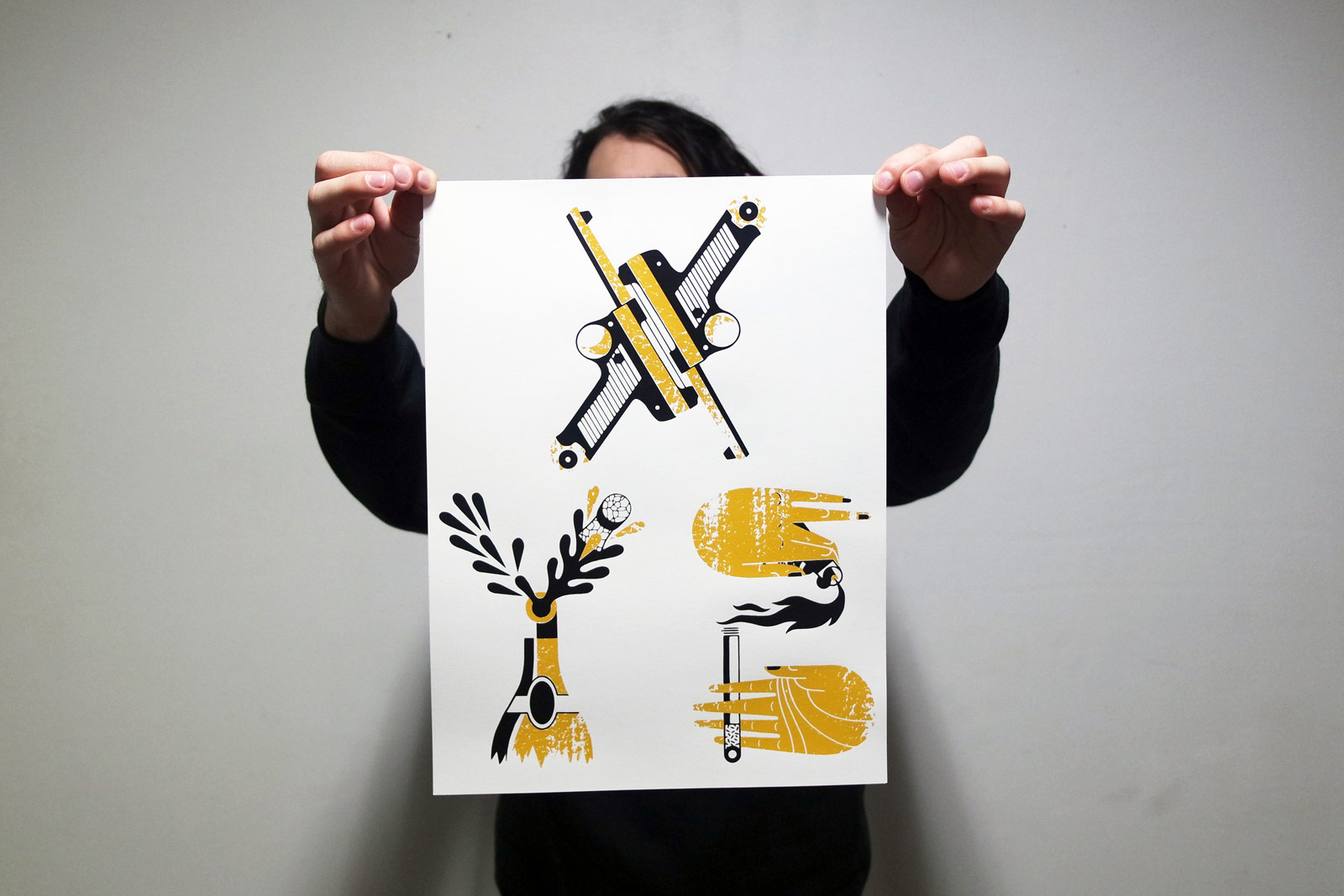
Tell us a little bit about the illustration you made for us on the theme Jekyll & Hyde ?
Jekyll and Hyde brings me to a place visually where the two are at a constant battle. An anomaly. Who is who and when? When is Jekyll being Hyde and vice versa? It’s the difference between normality and folly….
It’s that difference that I’ve tried to capture in my artwork.
Your japanese expatriation has allowed you to develop, and create a strong universe… If you had to retain a single thing of these 5 years in the land of the rising sun which it would be ?
Youkai (the Japanese spirits)
How your work on parades have helped you to shape your style ?
When I think about parades, I think about the large scale of everything. Creating something that is engaging is one thing, but making it then 10 times the size is what I think about first. How will my artwork impact those who experience it when it has volume ?
For me, the grotesque must have the same impact small as it does at full size. Parades gave me an appreciation for creating my work for a larger future than originally intended.
To see his characters being alive in the streets, in direct relationship with the public, has to be really exciting, and incredibly motivating… However the art of the parade is less fashionable in Europe than in Asia. To what is it due ?
I find great satisfaction in seeing my work in a parade.
Carnival tradition is deeply routed in European culture and has become a fascinating and creative way to express ones self in the public arena. Building a parade becomes a catalyst for a city to get involved and participate openly for any given cause.
In Japan, there’s a difference between parades and traditional festivals. Traditional festivals have become part of everyday life and bring many different groups of people together, like a cultural cement. Parades are more like entertainment with less of a cultural connection and tend to have more of a commercial atmosphere.
The main reason for this is due to the fact that floats and other structures are constructed by larger companies that are connected to the entertainment industry. These companies are usually involved in the creation of television sets or theme parks which adds more commercial value to the look and feel of a parade rendering it more like watching a movie with very little interaction with the parade itself.
How do you see the huge expansion of street art nowadays ?
In 1982, Tony Shafrazi showcased street artists like Kenny Sharf, Keith Harring or Futura 2000 in his gallery. This was the first time that work of this genre received such exposure. It began to spread like wild fire and with mediatisation of this material, the movement eventually reached Europe.
I first encountered street art in 1988, without such popularisation of this genre, it would not have received the reception it did and before that time, art was considered exclusive and confined to the galleries. It was more about trends and commerce.
After the late 1980’s, the streets took back the art and with such exposure, public art became « legalized » throughout society, it became acceptable. As a result, art in the street has become mainstream and accepted as part of today’s culture, no longer confined to galleries but accessible to the public.
Your also well connected to social networks, blogs, community websites, do you think this represent a real + for an artist nowadays ?
I believe online communities are fantastic tools for self-promotion. I began painting in the 80’s in a small isolated city in France and at that time it was easy to tour the city by turning on the spot! However, it was still difficult to connect and collaborate with other artists.
The advent of social networking for artists has an exponential effect on art as we know it. We can now get into the mind spaces of other artists and experience the processes for ourselves. This has positives and negatives. Perhaps with an ‘over-exposure’ to the digital trends of the day the creative process may be somewhat neglected.

On this subject there is one of your drawing that attracted my attention, named « the social indigestion », it is a kind of representation of the numeric bulimia where are all living with. So aren’t you afraid that this sword of Damocles could lead to a serious artistic indigestion ? Or even worst to the disappearance of creativity ?
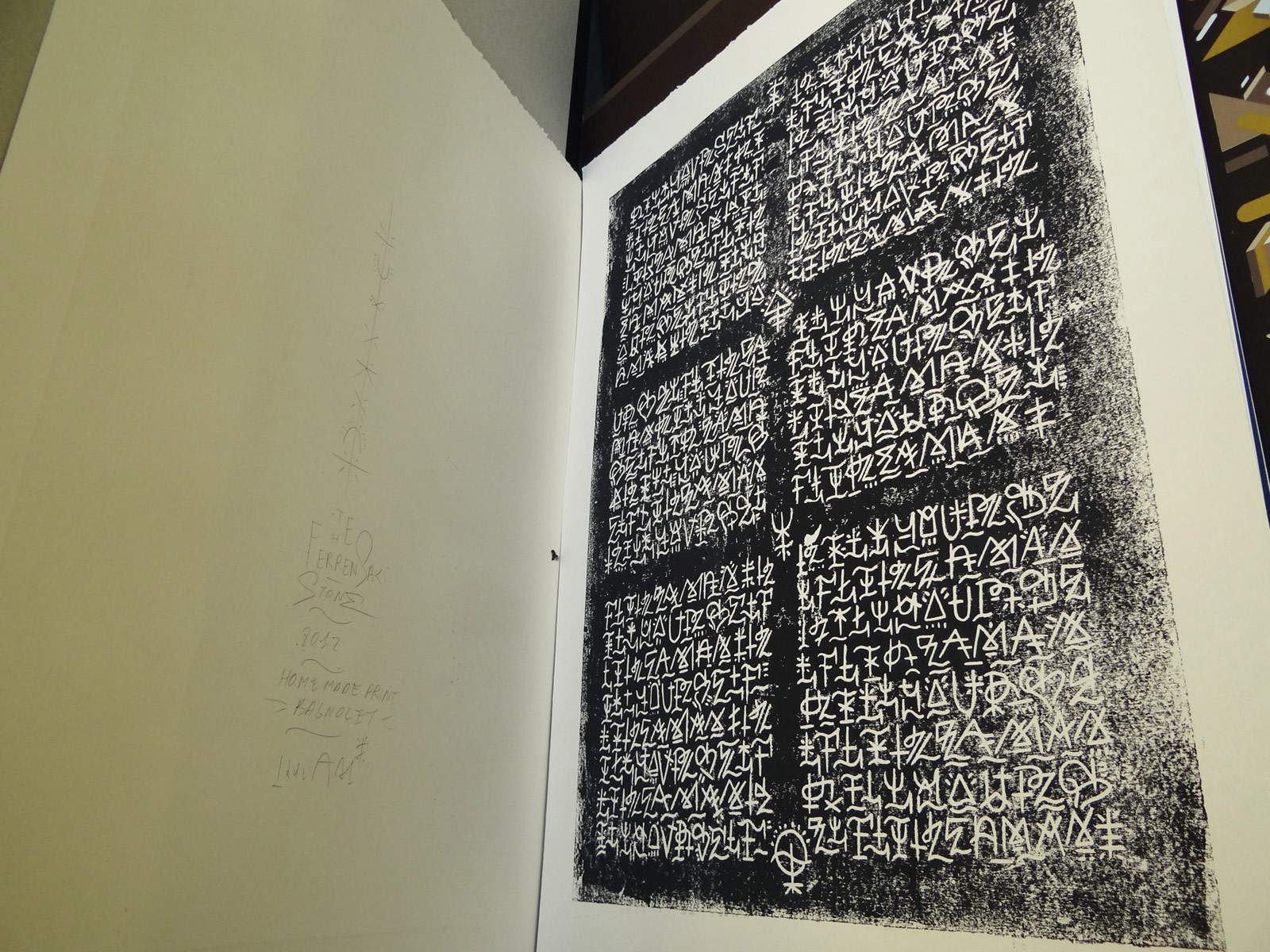
I believe we have already crossed over into Orwell’s « Big Brother » model of society. We have reached the point where there is no longer a need to ’spy’ on everything one does. It is now the reverse. Information is voluntarily exposed through social networking to the point of indigestion and homogenization.
Humanity has now become digitized and we run the risk of losing art to the same set of issues. Where over time, art will become tasteless and develop acceptable global standards by which to experience it. Perhaps digital art will evolve to suit our ‘don’t make me think’ way of living. There are, however, some online art communities that honor and promote original art and artists. Communities that don’t follow the mainstream and encourage originality to stay honest and original.
Which craziest action / realisation / piece, haunt your dreams ?
I would really like to create a parade that would travel around the world. To develop the concept from A to Z and co-ordinate every detail, and also collaborate with others international artists. I would develop it in the vein of street performance artists such as Royal Deluxe, like a street art collective. Similar to Manu Chao, « la Caravane des quartiers ».
How would you describe your universe in one word ?
Grotesque
How would you describe society in one word ?
Absurde
How would you describe artistic world in one word ?
Egalitarian
And finally I let you give the last one (word) ?
頑張って(Good luck!)
I’d like to thank Jekyll et Hyde for all the energy you put into your magazine, especially in promoting artists. I appreciate the interview and the opportunity to explain a little of who I am and what I do !
Bonus question: What question wished you to hear from us, we didn’t ask ?
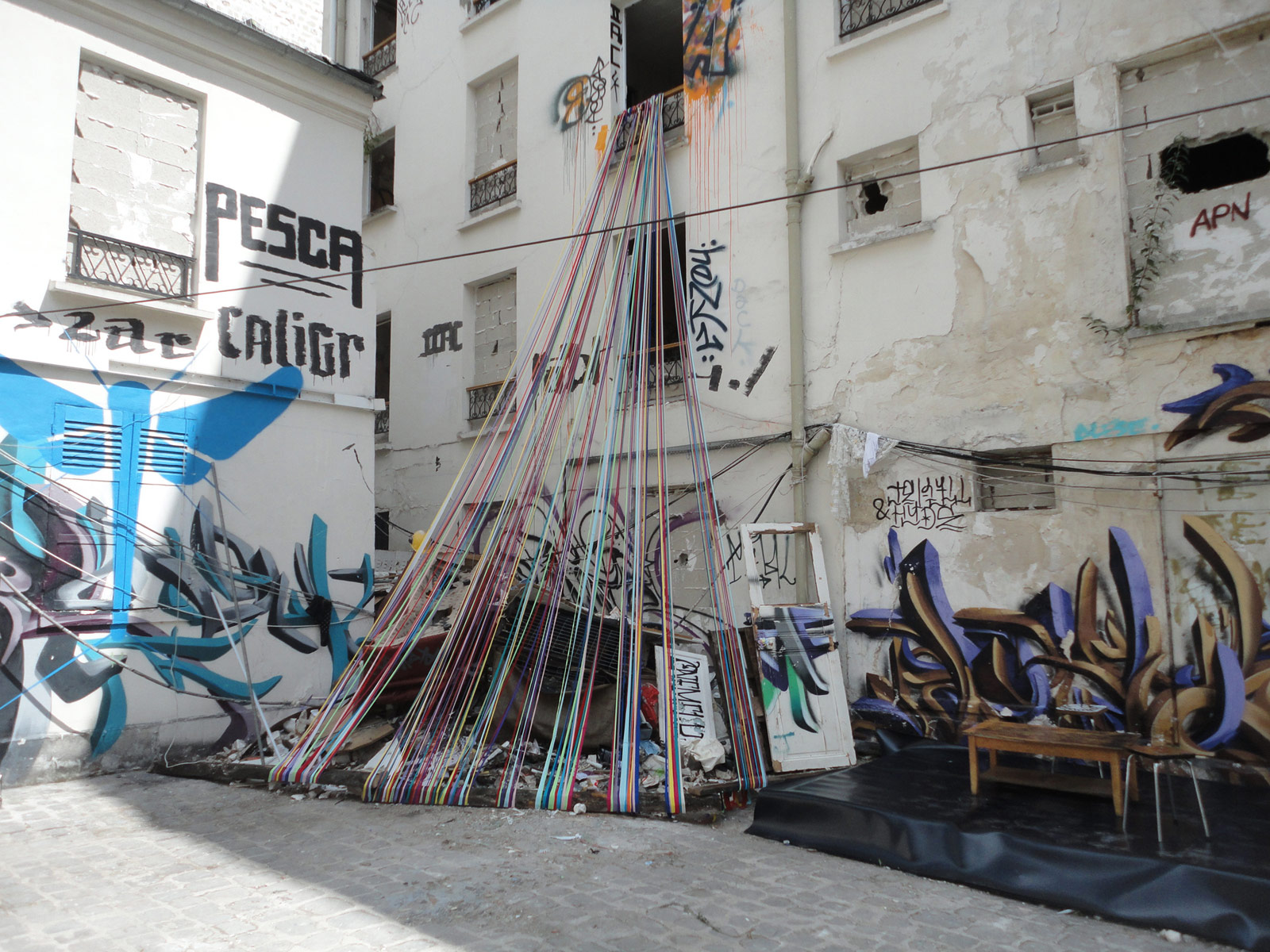
Is music an important ingredient in the creative process ?
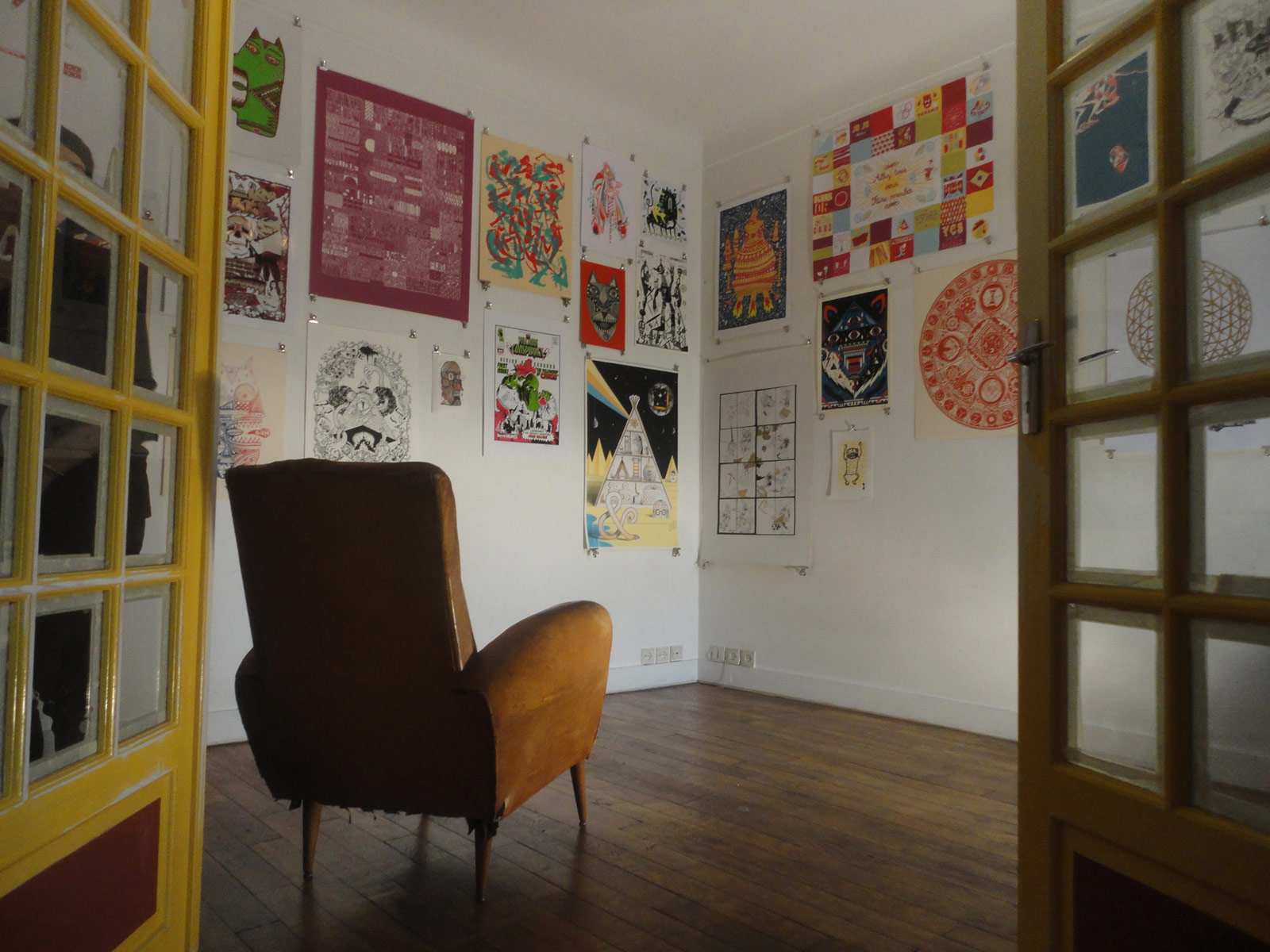
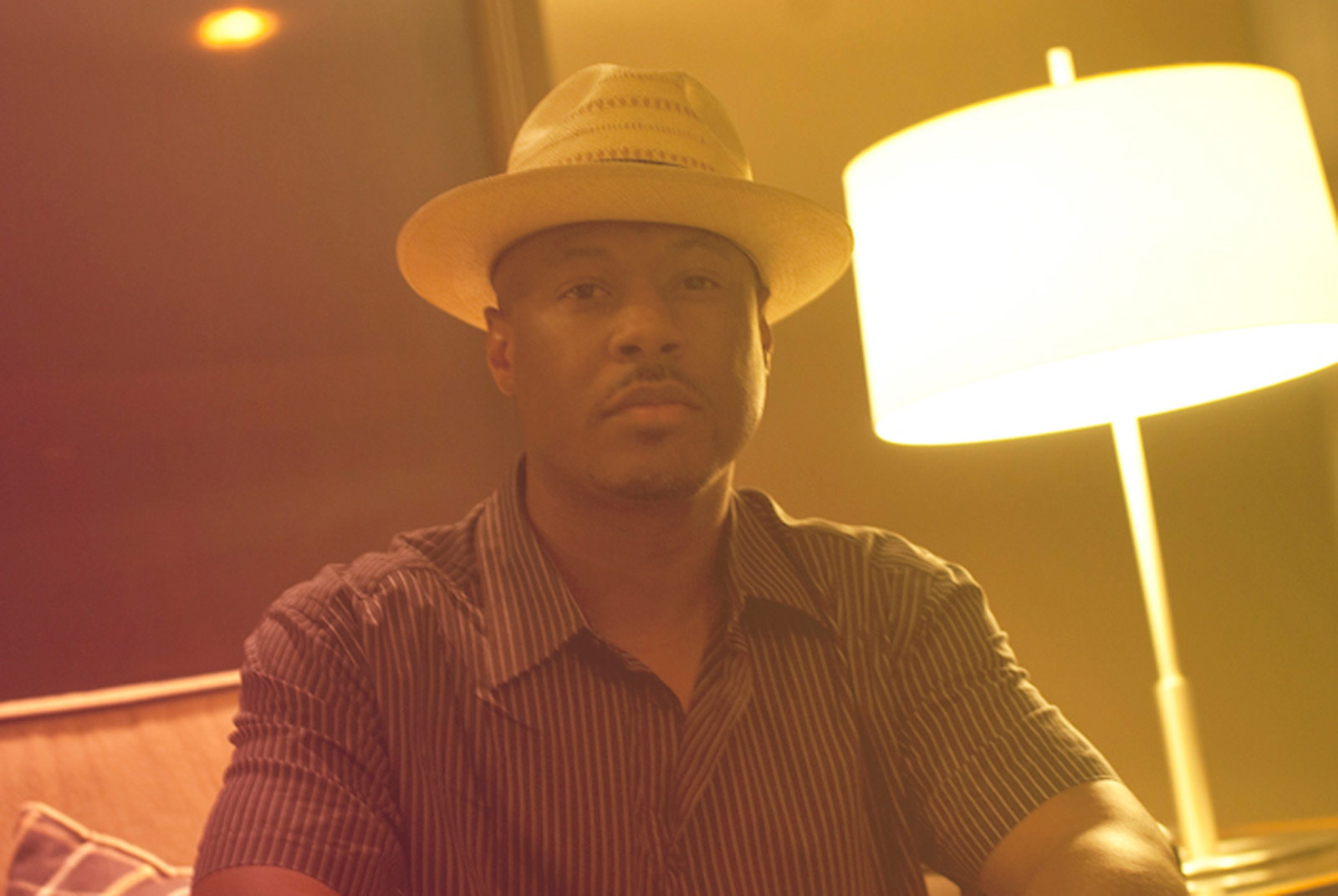
For me, music is a catalyst and the fuel to what I do. I was playing live music for a long time and I’ve always created to music. [although I've taken a break from performing as the days are too short!] Music and art are inseparable, much like in a parade you cannot have one without the other !